Beyond Roses and Sandalwood: How a New Wave of Perfumers Is Uncorking the World's Forgotten Scent Traditions
Walk into any Sephora in America and you'll encounter a very particular idea of what luxury smells like. Bright citrus openings. Dewy florals. A warm, creamy base — maybe a touch of vetiver if the brand is feeling adventurous. It's a template so deeply embedded in Western fine fragrance that most shoppers don't even notice it. It's just... what perfume is supposed to smell like.
Except it isn't. Not everywhere. Not even close.
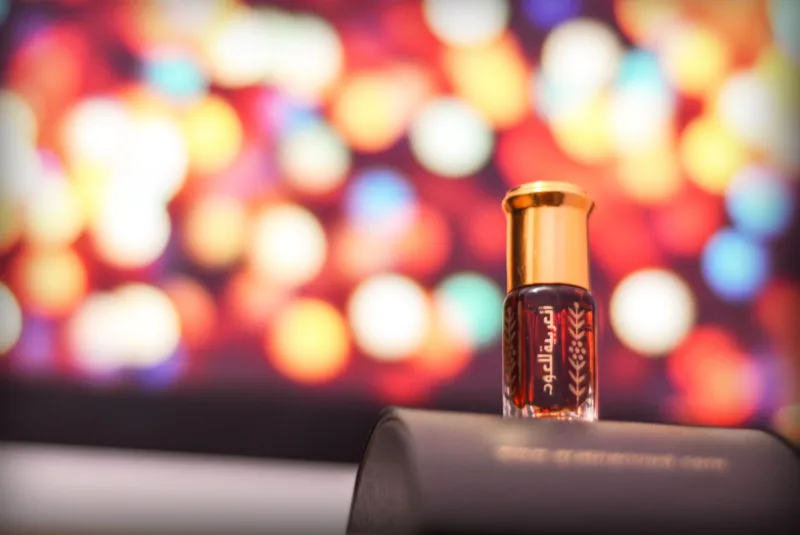
For centuries, cultures across the Middle East, South Asia, West Africa, and Southeast Asia have built entire ritual languages around scent — traditions so sophisticated and layered that they make the average department store fragrance counter look like a beginner's art class. Oud resin aged for decades in Arabian workshops. Attar oils distilled through processes passed down through generations of Indian craftsmen. Bukhoor smoke curling through Emirati homes during celebrations. These aren't niche curiosities. They're the foundations of some of the world's oldest perfumery cultures. And until very recently, the global luxury fragrance industry had basically decided they didn't exist.
That's starting to change — and the shift is more complicated, more exciting, and more contested than any press release is going to tell you.
The Smell of Erasure
The story of how Western fragrance became the default isn't accidental. Luxury perfumery as a commercial industry grew up in France, and French houses spent the better part of two centuries positioning their aesthetic as the global gold standard. Grasse became the world's perfume capital not purely because of its flowers, but because of the economic and cultural machinery that made European taste synonymous with refinement.
What that machinery quietly did was mark non-Western scent traditions as 'ethnic,' 'heavy,' or 'too much.' Oud, for example — a resinous, darkly complex ingredient central to Gulf Arab, South Asian, and East African perfumery — was for years described in Western industry circles as 'animalic' or 'medicinal,' language that framed it as primitive rather than sophisticated. The irony is that oud has been traded as a luxury commodity across Asia and the Arab world for over a thousand years. It was never unsophisticated. It was just inconvenient for a market that had already decided what sophistication looked like.
Similarly, attars — traditional Indian perfume oils made without alcohol, often from florals like jasmine, rose, and marigold — were largely invisible in American retail spaces until very recently, despite being central to South Asian daily life and ceremony. The absence wasn't about quality. It was about whose sensory culture got to count as aspirational.
The Independents Leading the Charge
The correction is being driven largely by independent and niche perfumers, many of them from the very communities whose traditions were historically sidelined.
Brands like Noorani Perfumes, Khadlaj, and Rasasi have been quietly building loyal followings in the US among diaspora communities for years — selling through specialty stores, halal markets, and increasingly, direct-to-consumer online channels. Their customer base knew exactly what they were getting: authentic oud-forward compositions, musks that behave completely differently from their synthetic Western counterparts, florals that feel alive rather than processed.
But a newer wave of founders is pushing these traditions into broader cultural conversations. Perfumers like the team behind Nette (which incorporates West African botanicals into its formulations) or Furtuna Skin's aromatic collaborations are starting to ask what happens when you center non-Western olfactory logic — not as an 'exotic note' dropped into an otherwise conventional formula, but as the actual structural foundation of a fragrance.
There's a meaningful difference between a mainstream brand adding oud to an existing woody-amber template and calling it 'inspired by the Middle East,' versus a perfumer who actually understands the role oud plays in Arabic fragrance culture — how it's layered, when it's worn, what it's supposed to communicate — and building from that knowledge outward. One is a costume. The other is a conversation.
When Mainstream Brands Come Knocking
Of course, commercial success has a way of attracting exactly the players who were absent during the difficult years. Major fragrance houses have noticed that American consumers — particularly younger ones — are increasingly interested in scents that feel culturally specific and story-rich rather than generically 'luxurious.'
The results have been... mixed.
Yves Saint Laurent's 'Kouros' lineage and Tom Ford's 'Oud Wood' are frequently cited as Western attempts to engage with Middle Eastern fragrance culture. The latter, launched in 2007, was genuinely influential in introducing American consumers to oud as a concept. But critics within the oud-appreciating community have long noted that 'Oud Wood' smells nothing like traditional oud compositions — it's a Western interpretation of what oud might smell like if it were made more palatable to a nose trained on French perfumery. Which is a bit like describing a bowl of instant ramen as a tribute to Japanese culinary tradition.
The more egregious examples involve brands that lift the aesthetic marketing language of a cultural tradition — using Arabic calligraphy in packaging, South Asian motifs in campaigns — while sourcing ingredients through supply chains that have no relationship with the communities those visuals reference. It's the scent equivalent of the cultural design appropriation that happens in fashion, and it's just as hollow.
Smell Is Memory Is Identity
What makes this conversation particularly resonant for diaspora communities in the US is that scent is one of the most viscerally identity-linked senses we have. Smell bypasses the cognitive parts of the brain and goes straight to memory and emotion in a way that other senses don't quite match.
For a South Asian American who grew up with jasmine garlands at religious ceremonies, or a Somali American whose family burned frankincense and myrrh on weekends, finding a fragrance that actually smells like those memories isn't just a consumer preference. It's a form of recognition. It says: your sensory world is real, it's valuable, and it belongs in spaces that have historically excluded it.
That's why the authenticity question matters so much. When a brand gets it right — when they actually partner with traditional distillers, compensate communities fairly, and tell honest stories about ingredient origins — they're doing something that goes beyond product development. They're participating in a kind of cultural restoration.
What to Actually Look For
If you're curious about exploring non-Western fragrance traditions without accidentally funding the costume-wearing version, a few signposts help. Look for brands that name their specific sourcing regions and partners, not just vague geographic references. Seek out perfumers who have biographical or cultural connections to the traditions they're working with. Pay attention to whether a brand's engagement with a culture extends beyond its marketing visuals.
And honestly? Go find your nearest South Asian grocery, Middle Eastern import store, or African beauty supply shop. The attars, bukhoor, and traditional scent products sitting on those shelves represent centuries of accumulated knowledge. They've been there all along — the mainstream just wasn't paying attention.
The world has always smelled like more than roses and sandalwood. It's about time the fragrance industry caught up.